Kherson is a city with a unique charm, where history gracefully blends with modern life. If you are planning a trip to southern Ukraine and wondering where to go in Kherson, here is a list of must-see attractions that reveal the city’s spirit. Accommodation options range from cozy hotels to daily apartments, so finding a place to stay won’t be a problem.
St. Catherine’s Cathedral
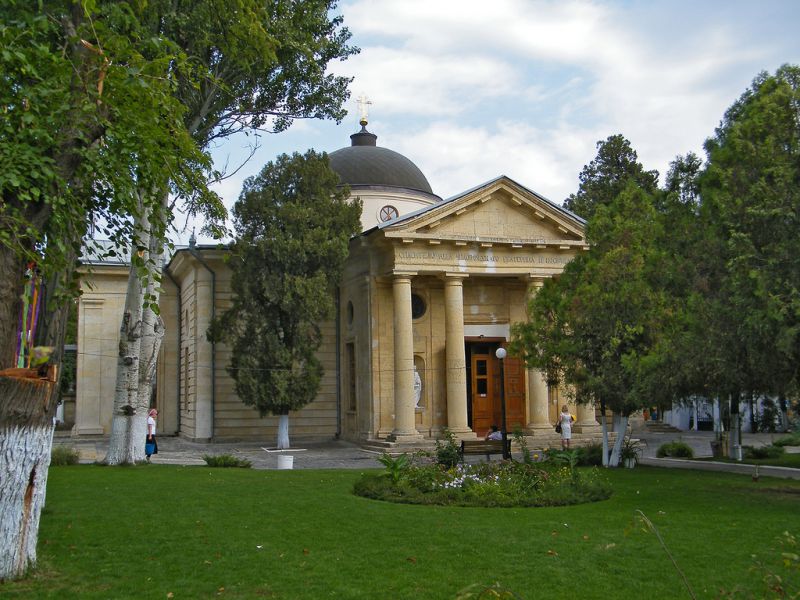
Founded by order of Empress Catherine II, Kherson was built by Prince Grigory Potemkin as a southern fortress. To give the city grandeur, he initiated the construction of St. Catherine’s Cathedral in 1876. The temple was dedicated to Saint Catherine, the Empress’s patron saint. It became part of the Kherson Fortress complex and served as a burial site for war heroes, including Potemkin himself. After years of neglect during Soviet times, the cathedral was restored to the Orthodox Church in 1991.
Monument to Potemkin
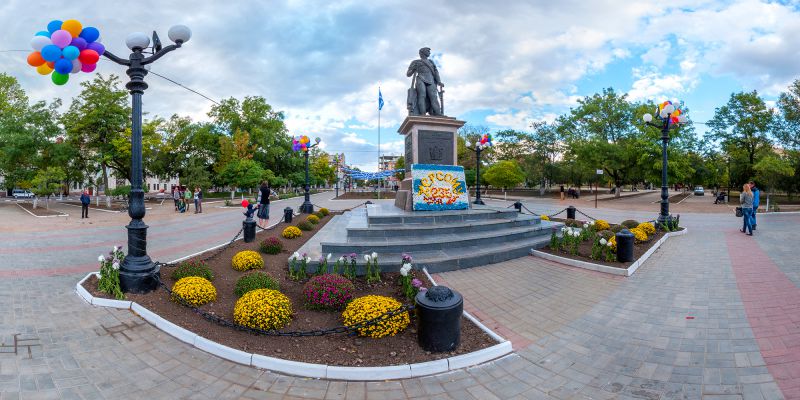
After Potemkin’s death, Empress Catherine II ordered a monument to be erected in his honor. Built in 1836, it was later destroyed during World War II and restored in 2003 in Potemkin Square.
Kherson Fortress and Arsenal
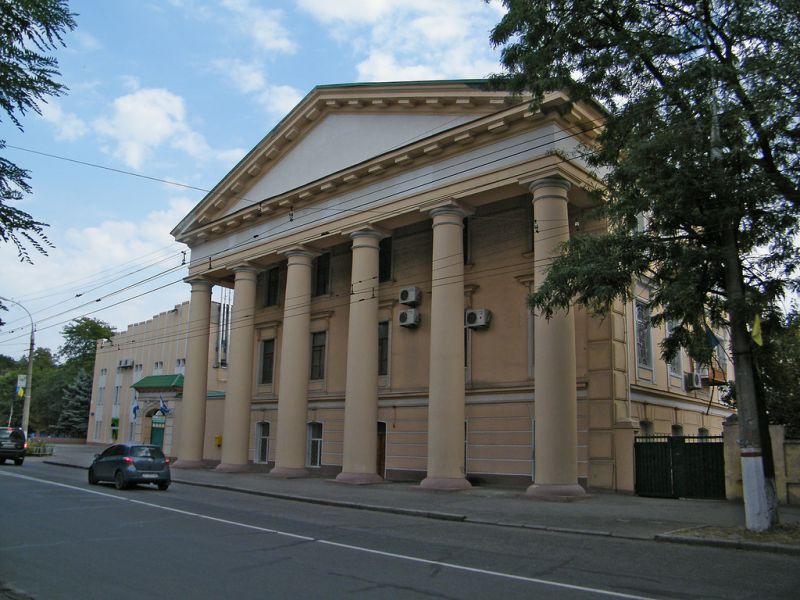
The Kherson Fortress, once the strongest fortification in the region, partially survives today. You can see the old arsenal, a converted gunpowder cellar, and the identical Moscow and Ochakov Gates. Archaeologists have also discovered Scythian graves on its grounds.
Park of Glory
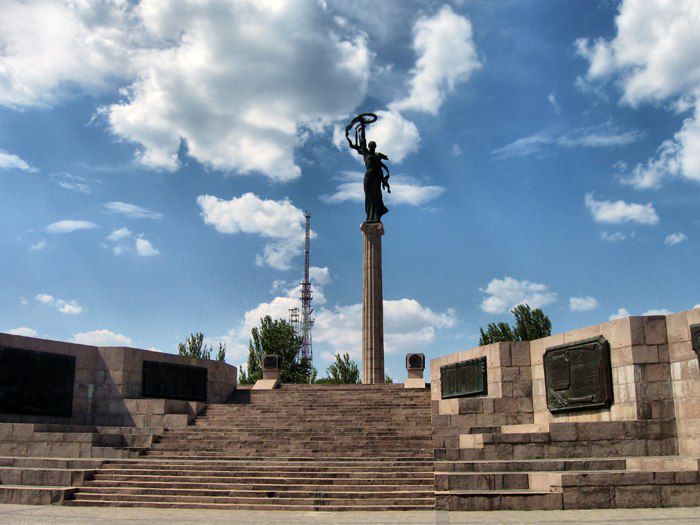
Located near St. Catherine’s Cathedral, the Park of Glory commemorates the soldiers who liberated Kherson during World War II. Its central alley leads to the river, offering a beautiful panoramic view.
Monument to the First Shipbuilders
Kherson’s history is inseparable from shipbuilding. In 1783, the first warship “Glory of Catherine” was launched here. A monument to the city’s first shipbuilders now stands on the riverfront as a tribute to that heritage.

Independence Avenue
The city’s main avenue bears the name of Admiral Fyodor Ushakov, who began his brilliant naval career here. Today it’s a lively street with fountains, old buildings, and educational institutions related to maritime studies.

Greek-Sophia Church
Built in the 18th century by Greek settlers, this church is one of Kherson’s oldest. It’s designed as a basilica with an elegant bell tower and wooden sculptures of the four apostles.
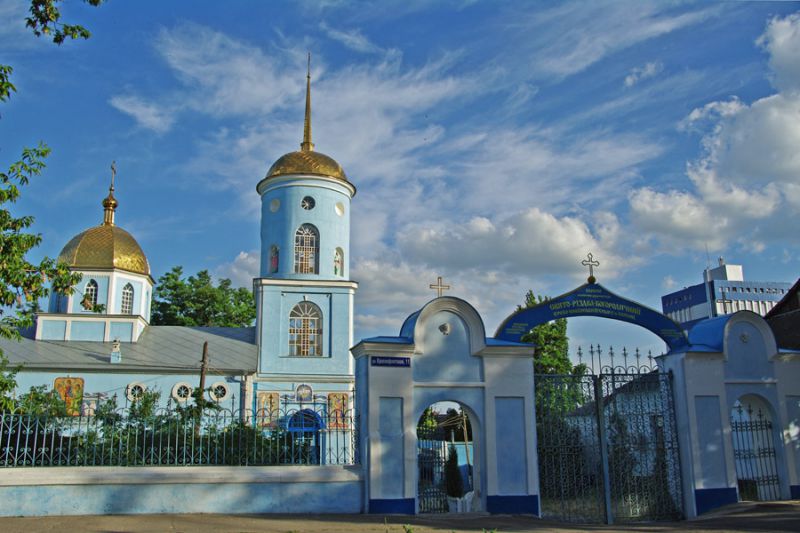
Assumption Cathedral
Located on Soborna Street, the Assumption Cathedral was built in the late 18th century by local merchants. Its cross-shaped dome and fine acoustics make it a gem of sacred architecture.
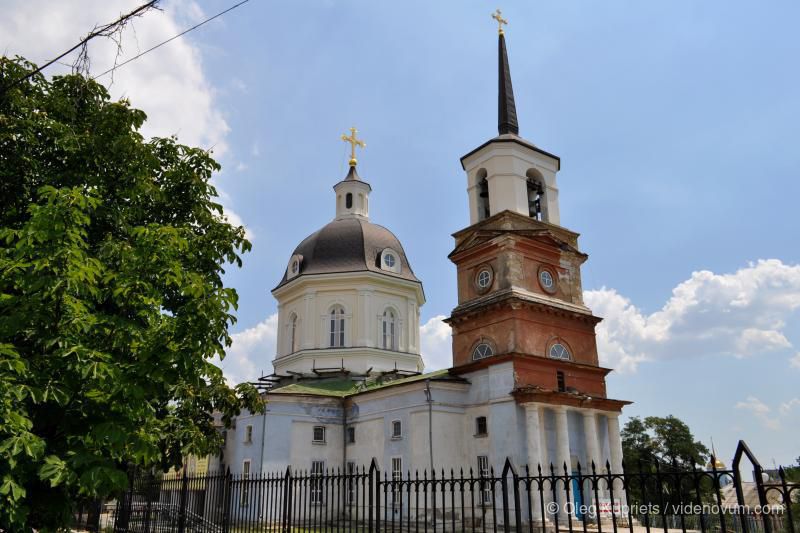
Catholic Church of the Sacred Heart of Jesus
Commissioned by Potemkin to attract foreign settlers, this Gothic-style church now serves the Catholic community after careful restoration.

Goldenberg House
A striking architectural monument in eclectic style with Moorish details, the Goldenberg House now hosts the regional treasury office.
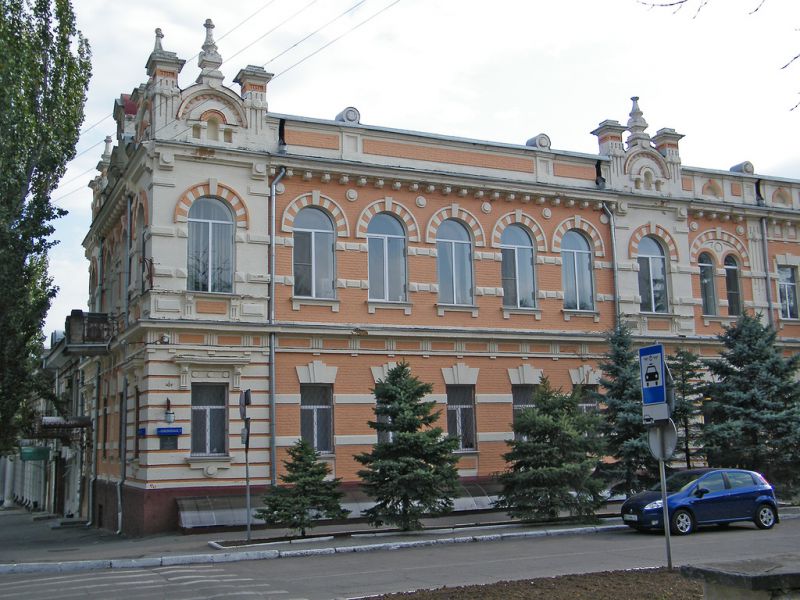
City Duma Building
Built in 1904–1905, this impressive structure combines Renaissance and Empire elements. It now houses the Kherson Art Museum.
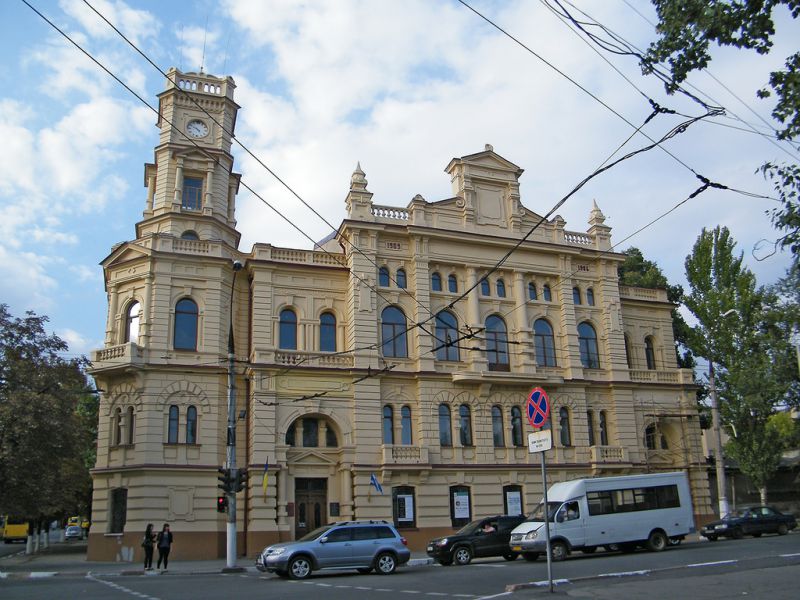
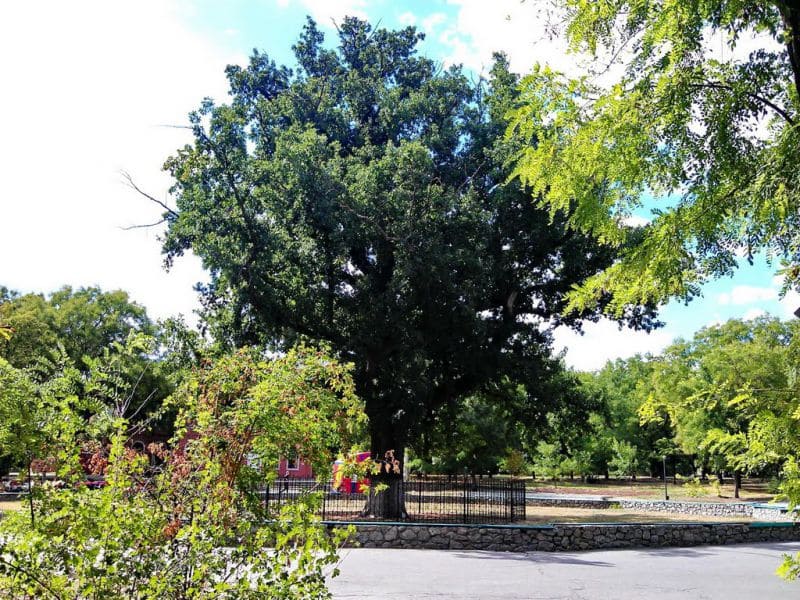
Pedunculate Oak
A natural landmark over 100 years old, this oak grows in the city park and is considered one of Kherson’s natural symbols.
Regional Museum of Local Lore
This museum showcases archaeological finds, ancient weapons, pottery, and Scythian jewelry — one of the best collections in southern Ukraine.

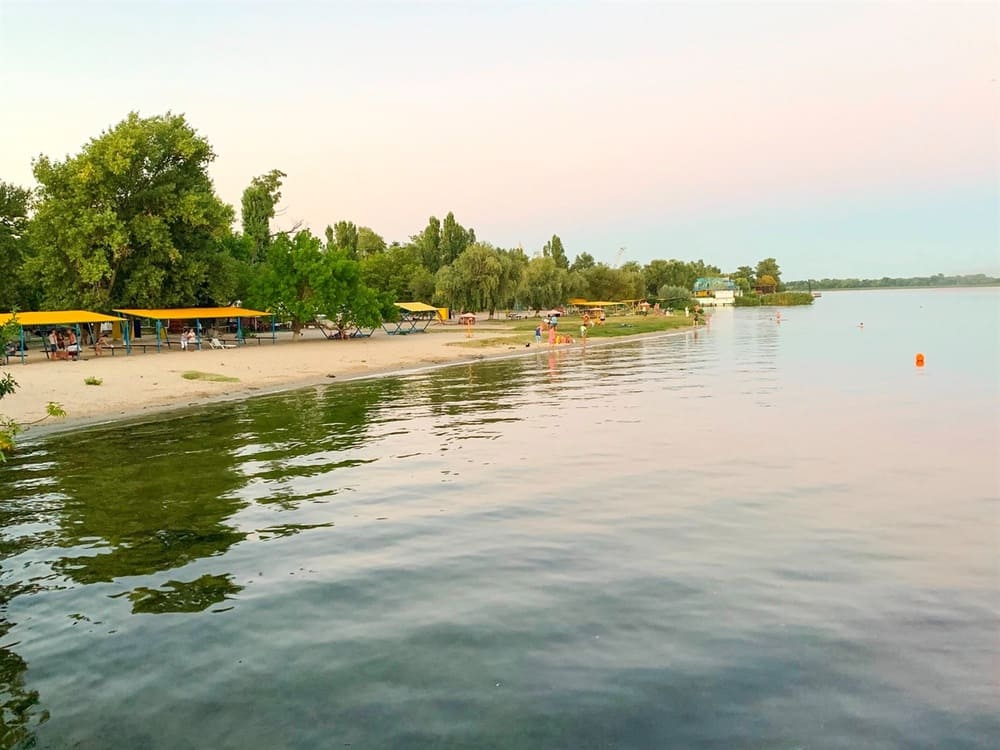
Hydropark
Located on Maly Potemkin Island, the Hydropark is a favorite summer spot for locals to swim, sunbathe, and enjoy nature.
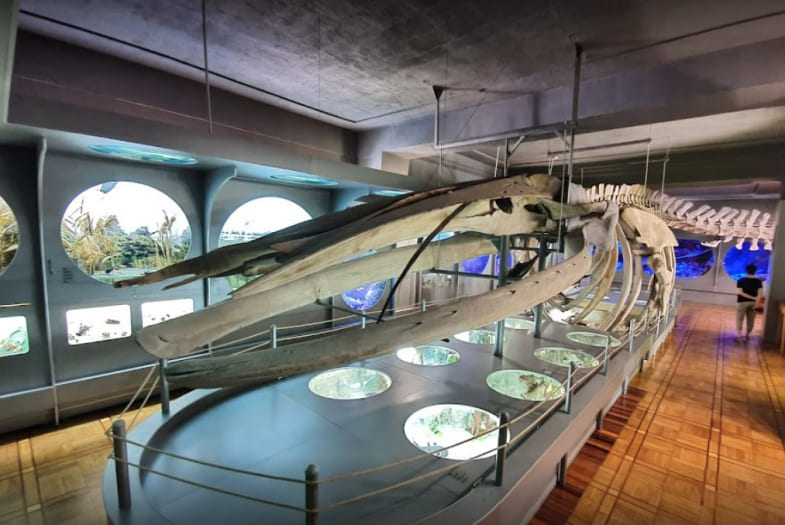
Museum of Nature
Part of the local museum network, this institution presents Kherson’s flora and fauna. The highlight is a 30-meter skeleton of a blue whale.
The Embankment
A peaceful walk along the Dnipro River is the perfect way to end your day — enjoy the ships, feed the seagulls, and capture the sunset.

European Street
Each building here has a history, and one of them once housed the great military commander Alexander Suvorov.

Kherson is a city full of history, culture, and warmth. If you’re wondering where to go in Kherson, start with these places — they’ll help you discover the city’s soul.