
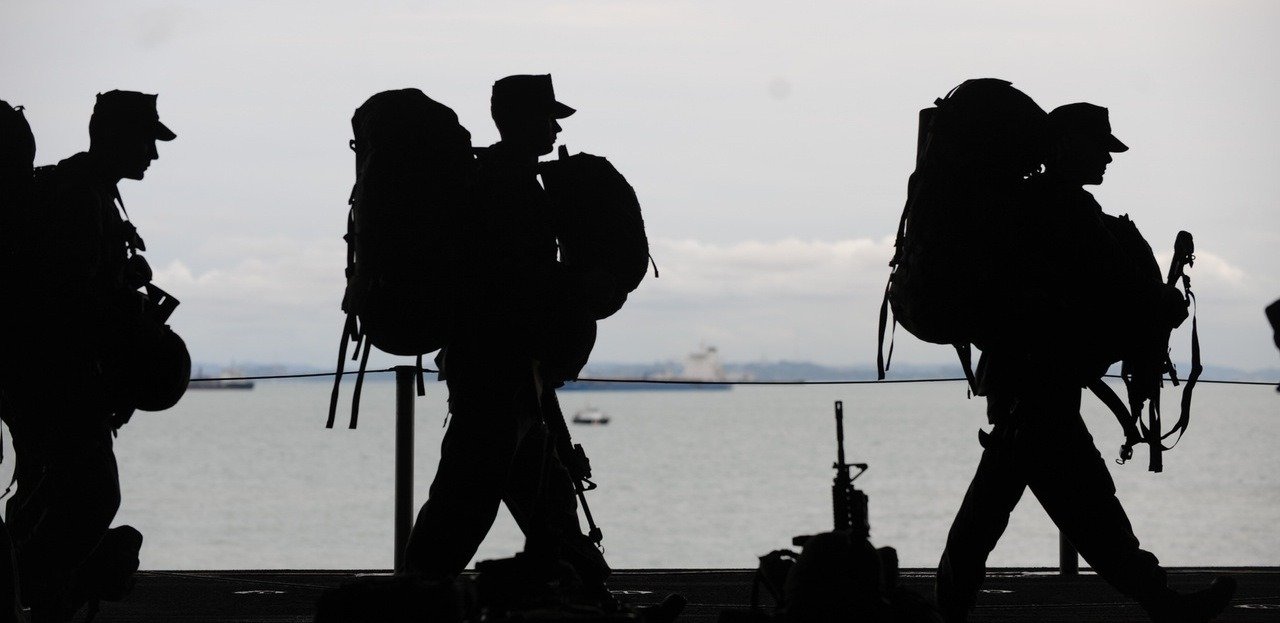
Two backpacks are used in the military. One is small and designed for everyday tasks, while the other is large enough to hold all your belongings when relocating. Relocations are usually frequent. Below, we have listed the items you should pack in your large backpack to make sure you have all the essentials you might need to avoid problems during military service.
Many of these items cannot be purchased all at once and taken with you on your very first day in the military. Many service members set aside a certain amount of money from each paycheck to buy additional essentials as they progress through their service.
Footwear
- Tactical footwear — tactical sneakers, boots, or combat boots designed for military personnel. Choose footwear suitable for the season, although all-season or transitional-season options can also be useful. Your footwear should dry quickly, be lightweight, and provide warmth.
- Rubber slippers — specifically rubber ones, so you can wear them in the shower.
- Tall rubber boots — useful from late autumn through mid-spring.
- Spare insoles — these need to be changed and dried frequently.
Clothing
- Several pairs of good-quality socks. Ideally, choose socks with antibacterial treatment and moisture-wicking properties.
- Thermal underwear that wicks away moisture and retains heat. Synthetic or wool options are preferable.
- Three or four pairs of underwear.
- Two sets of military uniforms. Ideally, choose the standard Ukrainian pixel camouflage pattern.
- A poncho for protection against rain and wind.
- Several pairs of work and tactical gloves. Cut-resistant and flame-resistant models are preferable.
- Headwear — a camouflage boonie hat or cap for summer, and a warm hat or balaclava for winter. A boonie hat helps protect your neck and ears from sunburn.
Equipment
- Body armor and a helmet — these are generally issued to service members. However, if you want a helmet with a headset or lighter, higher-rated armor plates, you may need to purchase them yourself.
- Knee pads.
- Tactical protective goggles or a goggle-style mask.
- A multifunctional tactical face covering, such as a neck gaiter, which protects against wind, sun, dust, and cold.
- A tactical camouflage head covering.
- A tactical load-bearing vest or rig. Choose one according to your military branch and duties. If your service does not involve carrying and using a weapon every day, a basic magazine pouch issued with your weapon may be sufficient. If you serve in an assault unit, choose a load-bearing vest or a belt-and-harness system (RPS) that fits your individual needs.
- A tactical first-aid kit. It should contain two or three tourniquets, a couple of bandages, adhesive plasters, and supplies for common ailments such as colds, bruises, swelling, and digestive problems, as well as painkillers and any medication you personally need.
Everyday Essentials
- A bowl, mug, and spoon. Stainless steel is a good choice.
- Personal hygiene products.
- A sleeping bag. Choose an insulated model or a lightweight summer version depending on the season.
- A camping mat (sleeping mat), plus a small sitting pad.
- Dry and wet wipes.
- A towel, preferably a waffle-weave one. It takes up less space in your backpack and absorbs moisture well.
- Weapon-cleaning supplies, including specialized wipes, cleaning and degreasing products, and gun lubricant.
Tools
- A folding knife.
- A multitool — a multifunctional tool with hollow handles that contain additional tools.
- A screwdriver.
- Pliers.
- Both a headlamp and a handheld flashlight.
- Super glue.
- Needles and thread.
- Power banks. One large-capacity model and a second lightweight, pocket-sized one.
- Spare USB-C and USB cables, adapters, and multi-outlet power strips. These items often break or get lost, so having extras is useful.
- Small, regular wired earphones.
- Black pens and a marker.
Food
- High-calorie foods with a long shelf life, such as chocolate, nuts, condensed milk, and dried fruit. Ideally, carry enough food to last at least a couple of days.
- Tea and coffee.
- Avoid consuming too many energy drinks, as their effects can take a toll on your body over time.
Documents
- Passport.
- Military ID.
- Make sure as many of your documents as possible are uploaded to the Diia app.
- Medical records documenting your health, such as reports from an ophthalmologist or gastroenterologist and MRI results. These can significantly speed up the diagnostic process when you seek medical attention in the military.
- An A4 document folder. During your service, you will receive many different documents that need to be stored safely.
Items You Do Not Need to Take Immediately but May Find Very Useful Once You Have a Permanent Base
- A shovel.
- An axe.
- A saw.
- A clothesline. It can be useful for more than just hanging laundry.
- A heater. The best option depends on where you are stationed. It could be a heated mat, an electric fan heater (a useful option for underground rooms where air circulation is important), an electric radiant heater that provides warmth and soft light so you can sleep without needing a flashlight every time you wake up at night, or a wood-burning stove if firewood is available.
- An electric kettle or water heater. Access to hot water makes it much easier to prepare warm meals. Cold canned food and chocolate alone will not sustain you for long. If you can use an electric hot plate, that is even better.
- Insect and rodent repellents. During cold weather, insects and mice may enter your living quarters in search of warmth and food.
- A folding military cot. Sleeping on a cold floor while mice constantly run over you is far from ideal.


