

Saigon Birthday Boy (Cửa Địa Ngục) is a dramatic action film based on true events, written by Lâm Vissay and Jim Holderied, with a story by Vissay.
The project is intensely personal: Vissay himself was previously involved in a spiritual commune in India, an experience that directly shapes the film’s narrative and emotional stakes.
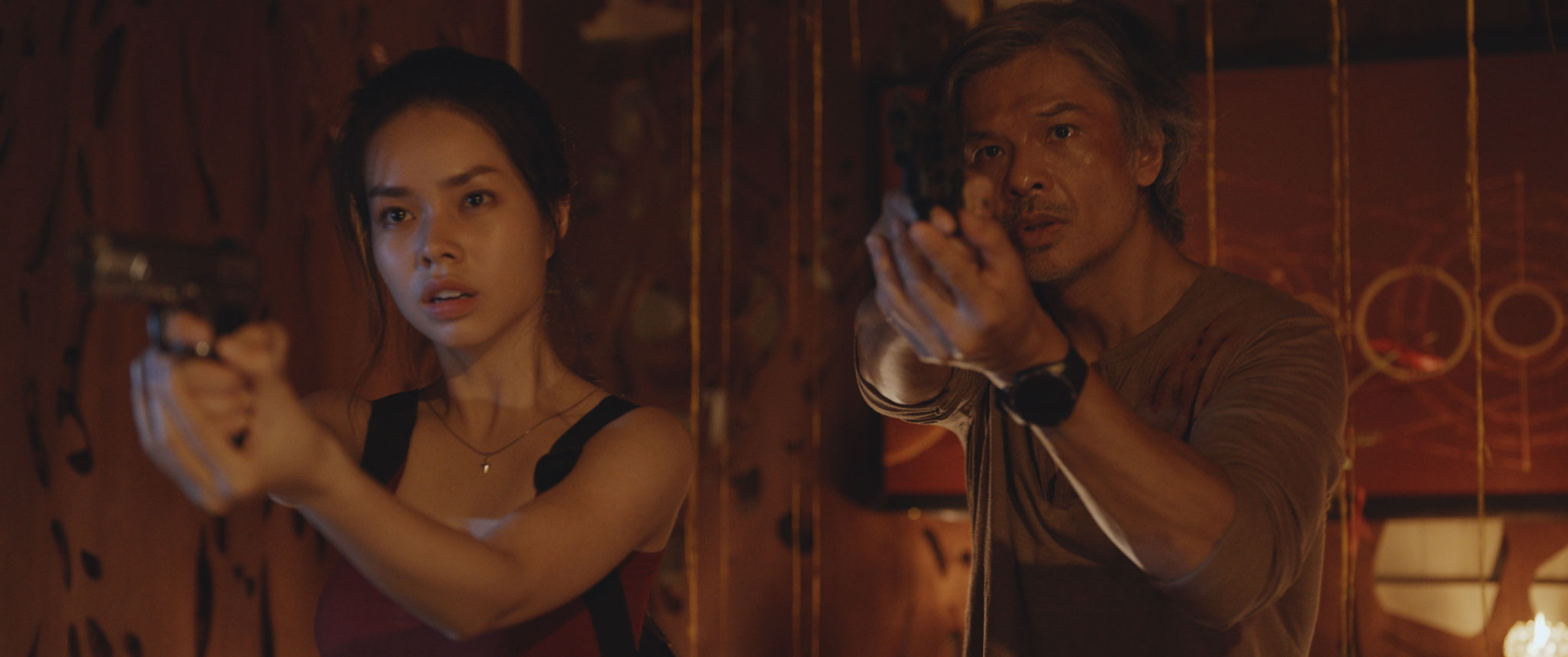
The story follows Son, a Viet Kieu man in his 40s, who confronts a chapter of his past tied to a secluded commune operating in India. Son is not portrayed as a conventional hero — he is emotionally fractured, impulsive, and driven by unresolved trauma. His return is fueled by something deeply personal: the woman he once planned to marry remains devoted to the commune’s leader.
Inside the compound, a self-proclaimed spiritual authority maintains strict control over his followers. Loyalty to him defines the social structure of the group. The script makes clear that underage girls within the commune are subjected to abuse under the protection of this hierarchy. Devotion is demanded. Silence is expected. Questioning the leader carries consequences.

A central emotional thread involves Mai, Son’s former fiancée, who continues to believe in the leader and the spiritual framework of the commune. Her allegiance creates the core tension of the film. Son’s fight is not abstract or ideological — it is about someone he loves and cannot save.
Another key figure is Emily, a young girl inside the compound whose presence exposes the vulnerability of minors within the system. Through confrontation and escalating action, the film portrays how exploitation is protected by loyalty, fear, and isolation from outside scrutiny.

While rooted in real experience, the film dramatizes a form of reckoning that did not occur in Vissay’s actual life. In reality, the psychological consequences remain ongoing, particularly because his former partner is still connected to the organization. The film becomes a cinematic articulation of confrontation — one that reality never delivered.
The project arrives amid heightened global awareness surrounding powerful figures who exploited minors within insulated networks. The continued examination of the Jeffrey Epstein case files has revealed how authority, wealth, and inner circles can shield abuse for years. Saigon Birthday Boy reflects a parallel structure: a closed system where a charismatic leader operates beyond accountability, protected by devoted followers and institutional distance.
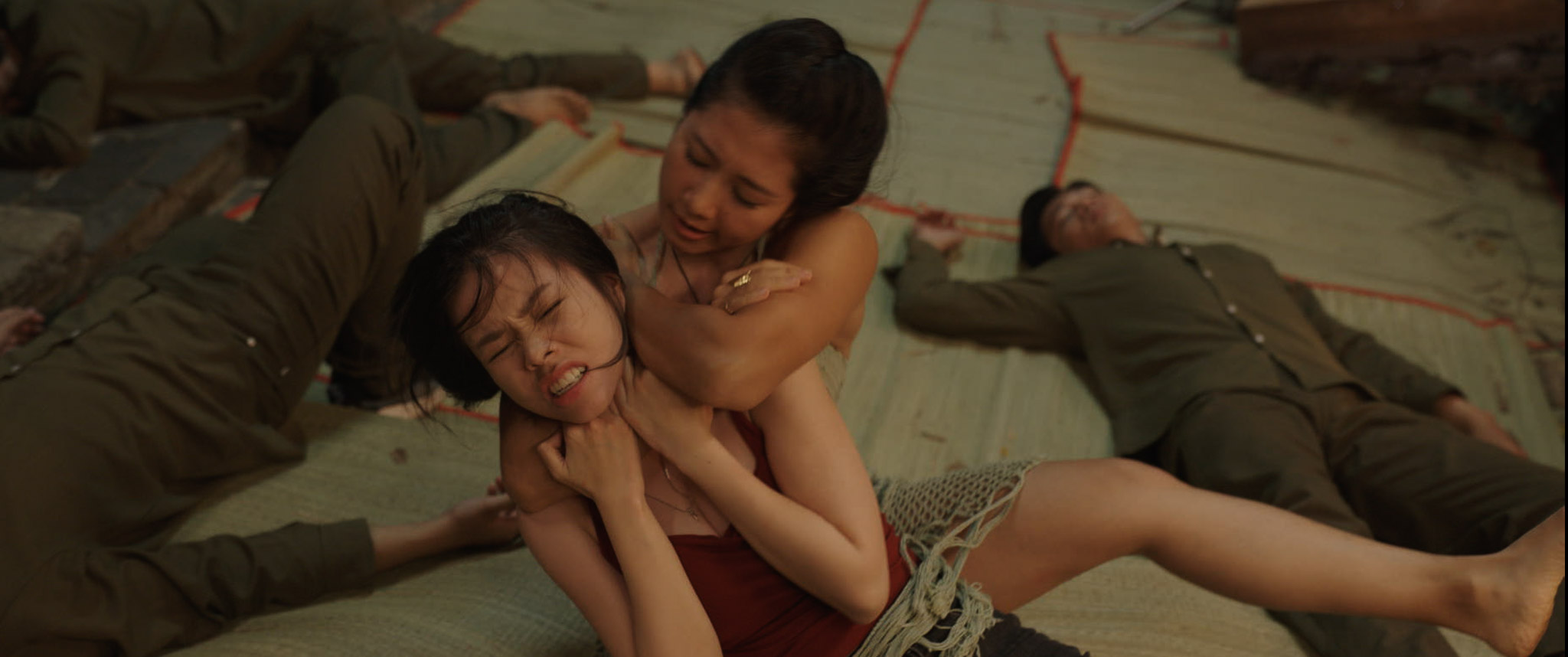
The relevance is structural, not sensational. The film underscores how exploitation can persist when power is centralized, loyalty is enforced, and victims are isolated from external protection.

What distinguishes Saigon Birthday Boy is its authorship. This is a dramatic action film built from lived experience — not speculation. It blends personal trauma with confrontation, grounding its action in emotional truth.
At its core, the film is about unfinished wounds, moral urgency, and the cost of trying to challenge a system designed to protect its own leader at all costs.

The film is slated for a theatrical release in Vietnam in November 2026.


