Kropyvnytskyi is a city with a distinctive atmosphere where theatrical traditions, military history, architectural heritage, and cozy green spaces are closely intertwined. Here you can feel the breath of past centuries, stroll along historic streets, visit unique museums, and find places for relaxed leisure. Whether you are visiting for the first time or already know the city well, Kropyvnytskyi always has something worth seeing and discovering.
The First Ukrainian Professional Theatre
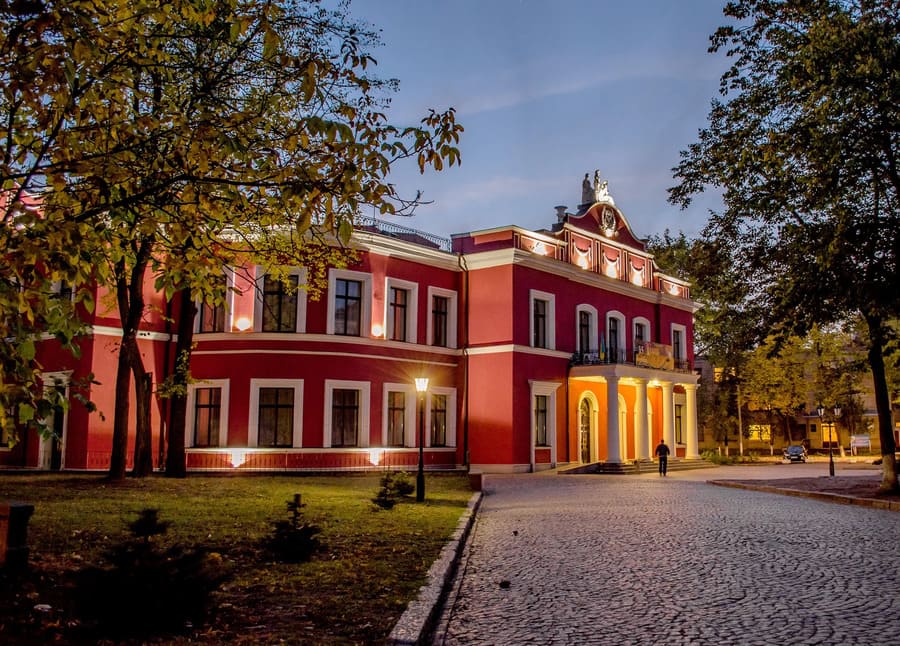
The Kirovohrad Academic Ukrainian Music and Drama Theatre named after Marko Kropyvnytskyi is one of the city’s main cultural gems, interesting not only for admirers of theatrical art. The theatre building itself is impressive and has a rich and fascinating history. Constructed back in 1867, it became a landmark for Ukrainian culture, as in 1882 the first professional realist theatre began operating here under the direction of the talented actor and director Marko Kropyvnytskyi.
It was his production of Natalka Poltavka that announced the high level and originality not only of the local troupe but of Ukrainian theatrical culture as a whole. In front of the theatre there is a monument-fountain dedicated to Natalka, the heroine of Ivan Kotliarevskyi’s musical comedy, which has become another symbol of this iconic place.
The Fortress of Saint Elizabeth
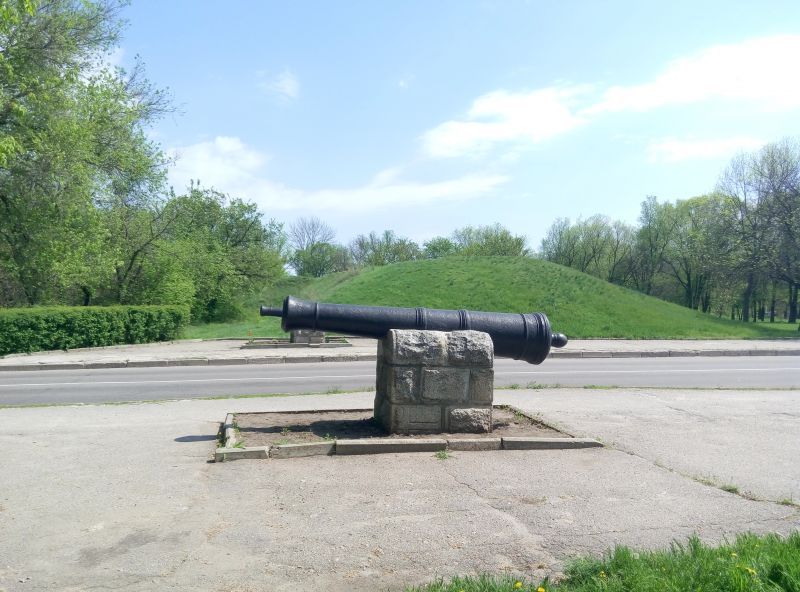
The Fortress of Saint Elizabeth was built in 1754 and was named in honor of Saint Elizabeth, the patron saint of Russian Empress Elizabeth Petrovna. This defensive structure played an important role in the military history of the region, successfully withstanding attacks during the Russo-Turkish War.
Today, the fortress is a unique monument of eighteenth-century fortification architecture. Its outlines form the basis of the coat of arms of Kropyvnytskyi. Moreover, it is the only surviving earthen fortress in Europe. On its territory there is a memorial complex and burial sites of soldiers who died during World War II, as well as a memorial alley dedicated to fallen participants of the ATO. The Fortress of Saint Elizabeth is located on Ushakova Street.
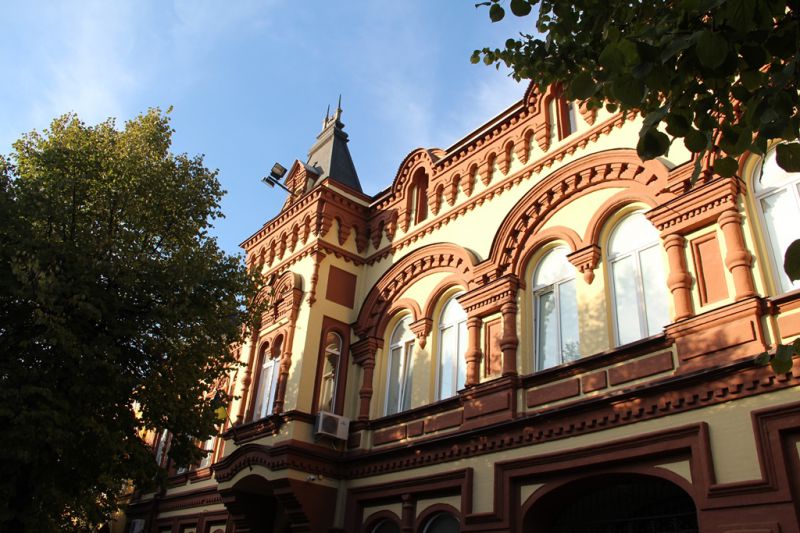
Architect Pauchenko Street (formerly Dvortsova Street)
This is the main pedestrian street of Kropyvnytskyi, where a significant part of the city’s architectural heritage is concentrated. Almost every building here has historical and cultural value: the library, the former Versailles Hotel, and the current building of the Security Service of Ukraine attract attention with their appearance and details.
Despite being lively, the street retains a calm and cozy atmosphere. Along it, there are many charming cafés, shops with attractive display windows, and buildings that invite you to admire them again and again.
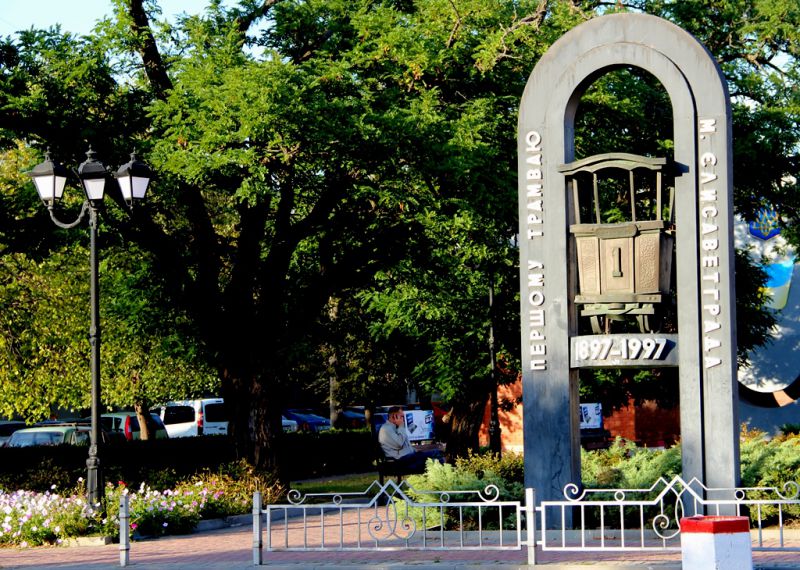
Monument to the First Tram
On Architect Pauchenko Street there is a monument to the first tram, which appeared on the streets of the former Yelisavetgrad in 1897. This object has long become a popular tourist attraction.
Local residents enjoy showing the monument to visitors, joking that today nothing remains of the city’s tram system except this sculpture.
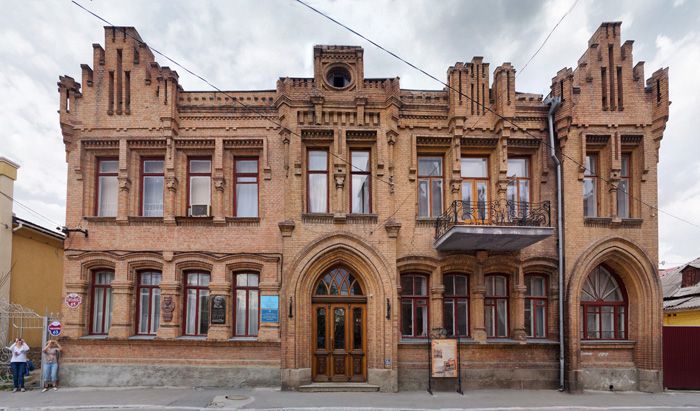
Heinrich Neuhaus Museum
In the central part of the city there is a museum dedicated to the outstanding pianist and teacher Heinrich Neuhaus. It was in Yelisavetgrad that he was born, grew up, and began his creative path. His students later became world-famous musicians and composers, including Sviatoslav Richter, Emil Gilels, Yakov Zak, and many others.
The music school founded by Neuhaus’s father educated many talented musicians. In 1981, a museum room was created in the school in memory of the maestro, and later, as the number of exhibits grew significantly, it was transformed into a full-fledged museum dedicated to the life and work of the famous pianist.
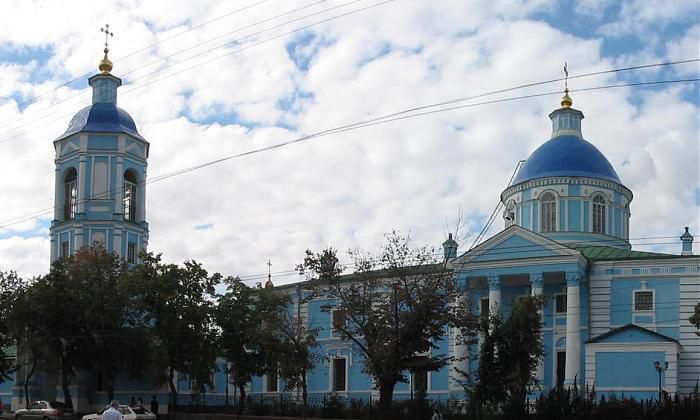
The Greek Church
The Church of the Vladimir Icon of the Mother of God is an architectural monument dating back to 1812 and is known among local residents as the Greek Church. This name comes from the fact that the church was founded by Greek merchants.
During the Soviet period, it was the only church in the city that was not closed. Inside, icons from the eighteenth century have been preserved, as well as metric books with records dating back to 1792, making the church an important historical and spiritual center.
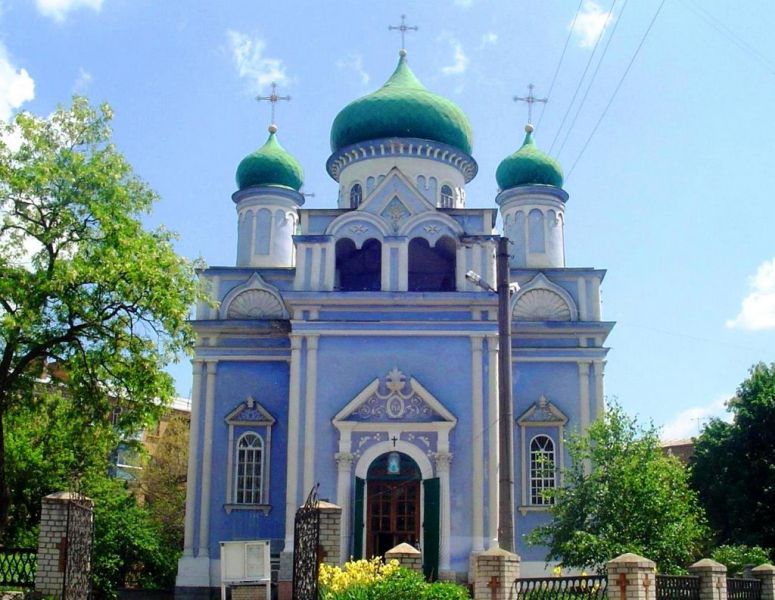
Pokrovska Church
The Church of the Intercession of the Most Holy Theotokos is located in the historic part of Kropyvnytskyi. The church was built in the first half of the nineteenth century in the Neo-Russian architectural style, based on a design by the well-known Russian architect Konstantin Thon.
In the interior, fragments of murals by the artist F. S. Kozachynskyi from the second half of the nineteenth century have been preserved. During the Soviet era, the church was closed and used for utilitarian purposes: machinery was repaired here, salt and glass containers were stored. The surrounding area was built up with five-story apartment blocks, and religious services were resumed only in 1989.
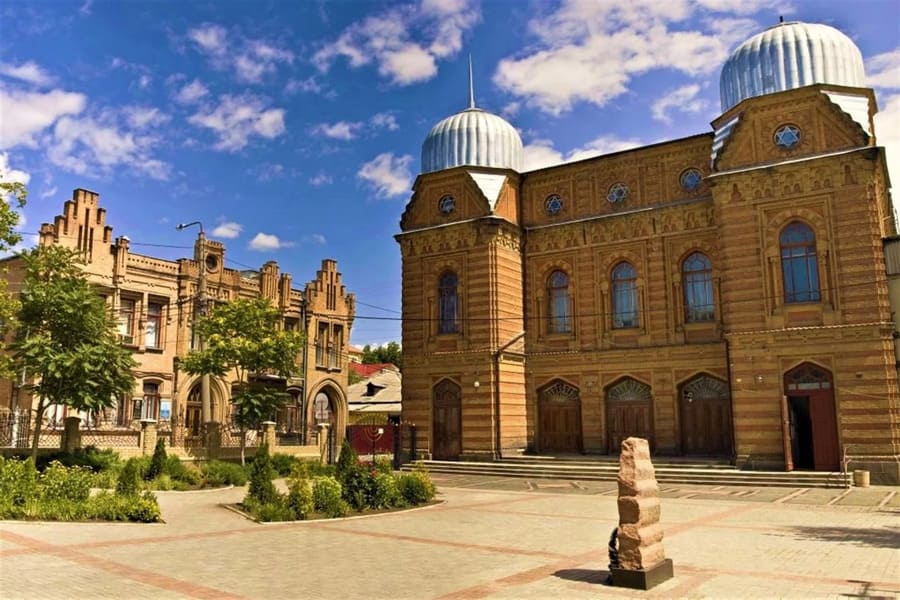
The Great Choral Synagogue
The synagogue is an architectural monument from 1897, built in an eclectic style based on a design by the renowned Yelisavetgrad architect Oleksandr Lishnevskyi.
During the Soviet period, the building housed the Kalinin Club, and rare film screenings were sometimes held there. In 1991, the synagogue was returned to the Jewish community of the city. Today it is an important center of Jewish culture in Kropyvnytskyi and also houses the museum “Jews of Yelisavetgrad.”
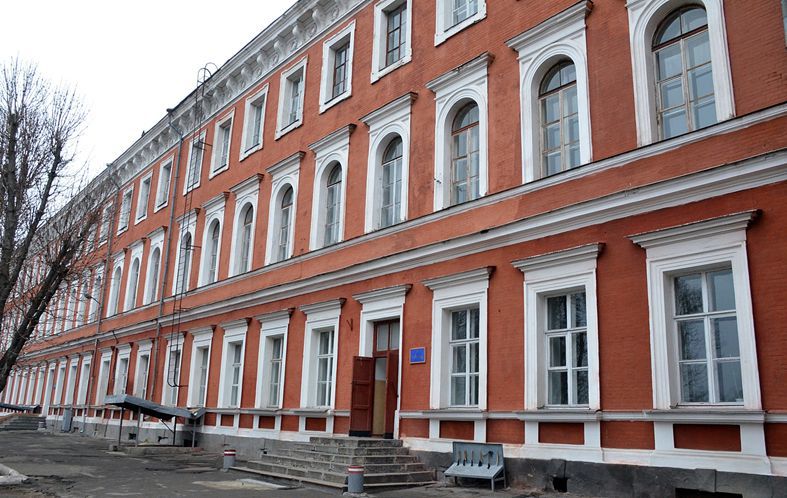
The Military Town Complex
From 1829 to 1864, Yelisavetgrad was a center of military settlements in southern Ukraine. The Yelisavetgrad military town is a large complex of nineteenth-century buildings where Russian military personnel once lived.
It housed the headquarters of the reserve cavalry corps and hosted large-scale military events attended by high-ranking officials and even the tsar. The complex of the cadet cavalry school has been well preserved and now occupies a large central part of the city. Although the unity of the architectural ensemble has been partially disrupted — the parade ground is now planted with trees — one of the city’s most popular parks, Kovalivskyi Park, is located here today.
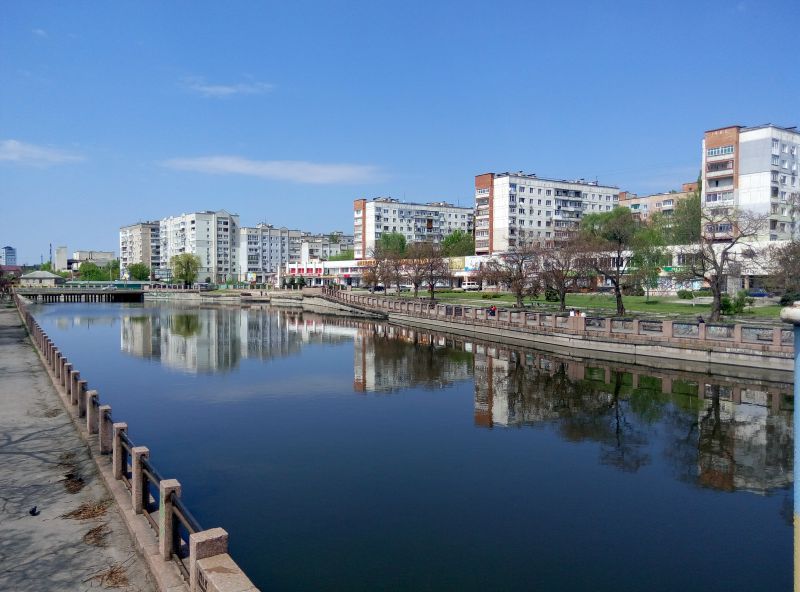
The Inhul River Embankment
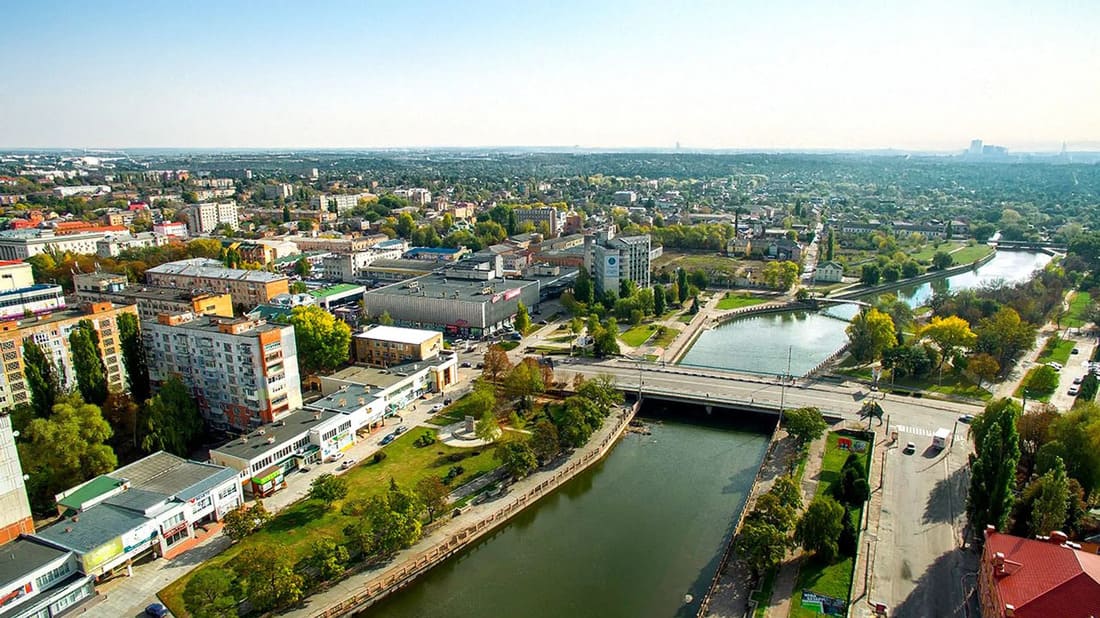
Residents of Kropyvnytskyi consider the Inhul River embankment one of the most romantic and at the same time most contrasting places in the city. On one side of the bridge on Velyka Perspektyvna Street there is a view of modern high-rise buildings, while on the other side you can see historic architecture.
Everyone can choose which scenery to admire. The embankment looks especially beautiful in autumn and spring, when nature gives this place a special charm.
The Dendrological Park
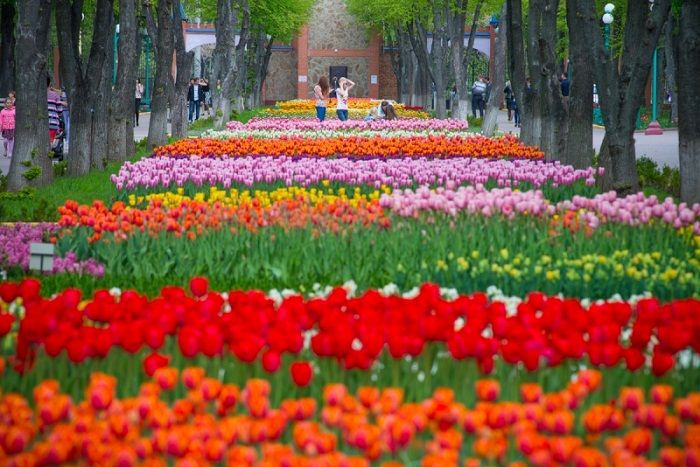
The dendrological park in Kropyvnytskyi deserves special attention in spring, when its alleys are covered with the vibrant colors of thousands of tulips. People come here specifically for this floral spectacle, as a “tulip walk” leaves unforgettable impressions.
However, the park remains attractive in other seasons as well. In addition to a wide variety of plants, there are many attractions and leisure areas, so everyone can find something to enjoy.
The “Khutir Nadiia” Reserve Museum
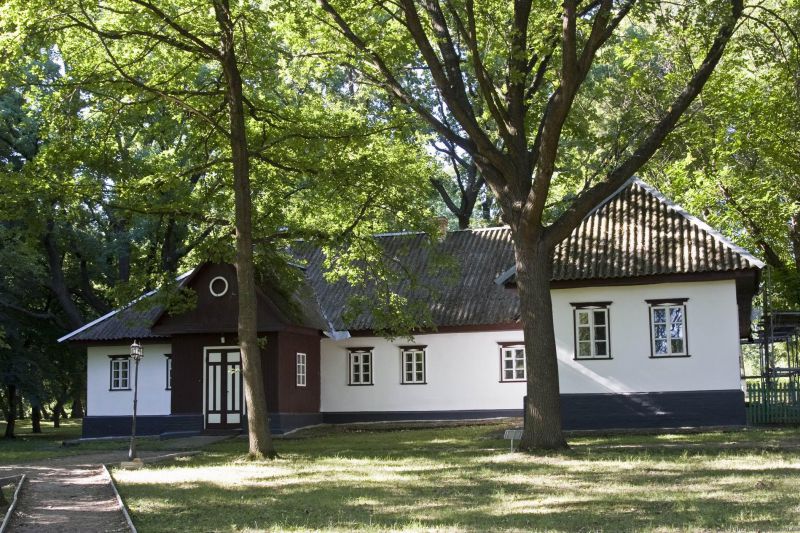
Ivan Karpenko-Karyi once called his estate an “oasis in the steppe,” and this description perfectly conveys its atmosphere. Today, the estate of the Tobilievych family is a state reserve museum.
The estate was founded in 1871 by the writer’s father, Karpo Tobilievych, who named it after his wife Nadiia. At first, the family ran a household here, and after Ivan Karpenko-Karyi returned from a three-year exile, he decided to settle here permanently and turn the estate into a beautiful corner of native nature. The territory features oak trees planted by prominent figures of Ukrainian culture, a viburnum alley that was the writer’s favorite place to rest, decorative fruit trees, and, of course, the museum itself, which houses nearly two thousand items preserved by the Tobilievych family. The reserve is located in the village of Mykolaivka, Kirovohrad region, about 25 kilometers from Kropyvnytskyi.